“Buy and hold forever” is a phrase that gets thrown around a lot. Most lists of “best ETFs” are written by people who haven’t held anything for more than two years. This list is different — every ETF here has earned its place through track record, structure, and fundamental soundness that should outlast any single market cycle. The criteria are strict: expense ratio under 0.10%, at least 5 years of performance history, broad diversification, and genuine buy-and-hold logic that still holds up in 2026.
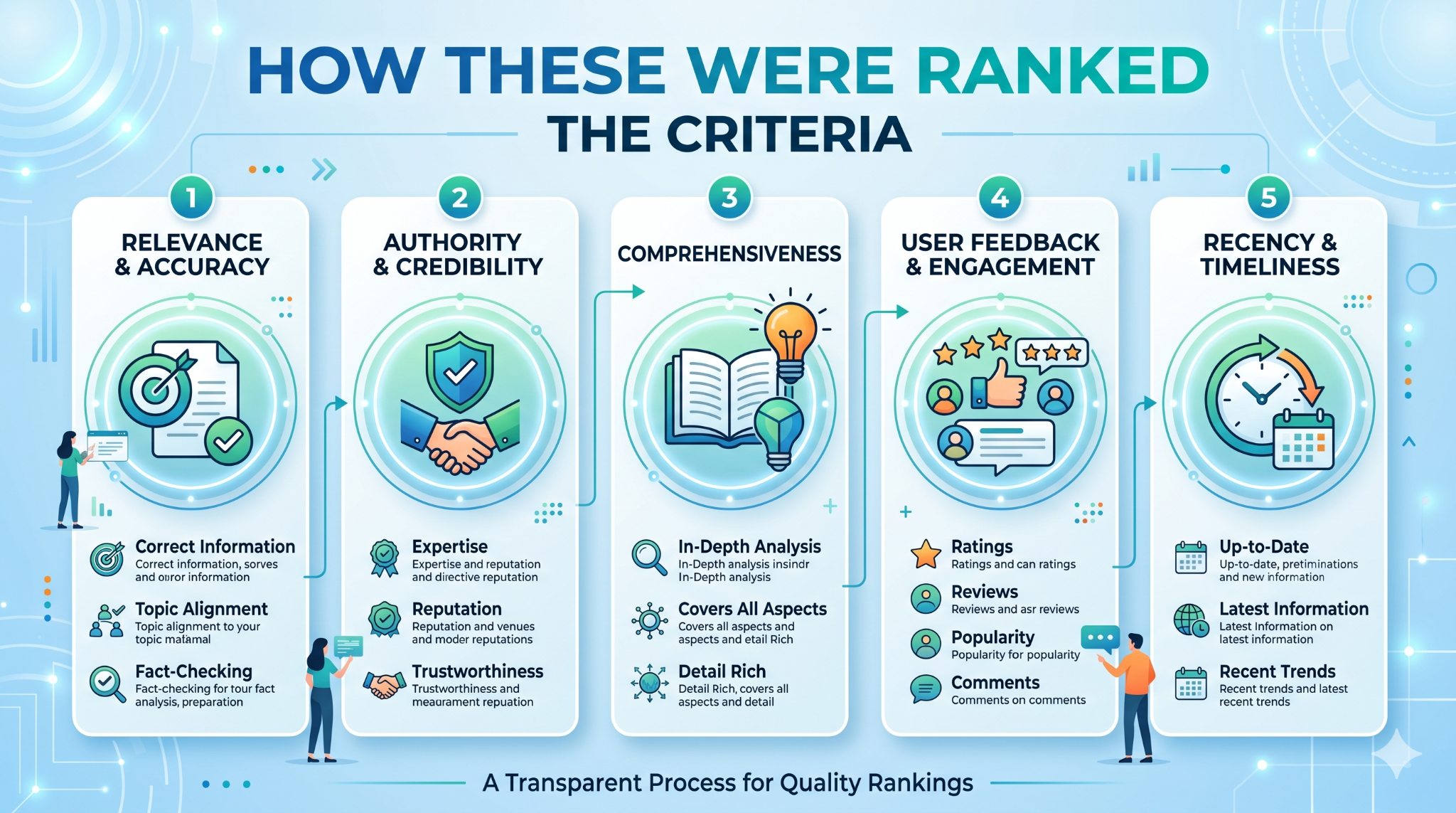
How These Were Ranked The Criteria
Each ETF was evaluated on five factors: expense ratio (the annual fee that compounds against you silently), historical 10-year total return, fund size and liquidity (smaller funds can close), diversification quality (how many holdings, how concentrated the top positions are), and purpose clarity (does this ETF do one specific thing well, or is it trying to be clever?). Clever ETFs almost always underperform boring ones over decades. This list is deliberately boring.
ETFs excluded from consideration: leveraged ETFs (too much risk of total loss on extended hold), actively managed ETFs (typically higher fees with inconsistent advantage), thematic ETFs focused on single trends (AI, cannabis, metaverse — trend risk is real), and any fund with less than $500 million in assets under management. The 7 that made it are genuinely excellent for long-term holders.
1. VTI — Vanguard Total Stock Market ETF — Best single US holding for most investors
VTI holds over 3,700 US stocks across all company sizes — large, mid, and small cap. Expense ratio: 0.03%. 10-year annual return: approximately 12.1%. This is the ETF Warren Buffett has specifically recommended for most individual investors in his annual letters. It captures the entire US economy in one fund. The one detail most articles miss: VTI’s small-cap exposure (about 9% of the fund) has historically added return over pure large-cap S&P 500 funds over very long time horizons, though with slightly more volatility. Verdict: Own this for life. If you own nothing else, VTI plus your cash savings is a complete strategy for most people.
2. VOO — Vanguard S&P 500 ETF — Best for simplest, most proven exposure
VOO tracks the 500 largest US companies. Expense ratio: 0.03%. 10-year annual return: approximately 12.5%. The difference between VOO and VTI is small — VOO skips smaller companies and focuses purely on the mega and large caps. Over the last decade, the S&P 500’s heavy technology weighting (Apple, Microsoft, Nvidia, Amazon make up roughly 28% of the index) has driven strong returns. Limitation: that same concentration means a technology sector decline hits harder than a total market fund. Choose VOO if you want the cleanest, most widely tracked benchmark in the world. Choose VTI if you want slightly broader diversification.
3. VXUS — Vanguard Total International Stock ETF — Best for global diversification
VXUS holds over 7,700 stocks from developed and emerging markets outside the US. Expense ratio: 0.07%. US investors often neglect international diversification, yet approximately 55% of global market capitalization is outside the United States. When the US market underperforms — which it does periodically for years at a time — international holdings provide a counterbalance. The limitation most analysts skip: currency risk is real. When the dollar strengthens, international holdings lose value in dollar terms even if local stock prices rise. A standard allocation is 70% US (VTI/VOO) and 30% international (VXUS). Hold this alongside your US holdings, not instead of them.
4. BND — Vanguard Total Bond Market ETF — Best bond holding for long-term portfolios
BND holds over 10,000 US bonds — government and corporate across multiple maturities. Expense ratio: 0.03%. It’s not exciting, and in 2026 after the interest rate cycle of the past three years, many investors have sworn off bonds. That’s exactly the wrong takeaway. Bonds reduce portfolio volatility significantly, and in the years when stocks drop 30–40%, a 20–30% bond allocation cushions the blow enough to keep investors from panic-selling at the bottom — which is where most people permanently destroy their long-term returns. A typical recommendation: hold little to no bonds under 40, move to 20–30% bonds in your 50s, and 40–50% bonds at retirement. The honest limitation: bonds underperform stocks over very long horizons, which is why they belong only as a volatility reducer, not a growth engine.
5. SCHD — Schwab US Dividend Equity ETF — Best dividend ETF for income and growth balance
SCHD holds approximately 100 US dividend-paying stocks screened for quality and consistency. Expense ratio: 0.06%. 10-year annual return: approximately 11.3%. What makes SCHD exceptional among dividend ETFs is its focus on dividend growth companies rather than simply high yielders. The fund screens for cash flow-to-debt ratio, return on equity, and dividend growth history — resulting in a portfolio of financially strong, shareholder-friendly companies. SCHD’s dividend yield is currently around 3.4%, meaningfully above the S&P 500’s 1.4%, while its total return has kept pace with the broader market over most 10-year windows. It’s the right choice for investors who want dividends but don’t want to sacrifice too much total return.
6. QQQ — Invesco Nasdaq-100 ETF — Best for technology-weighted growth exposure
QQQ tracks the 100 largest non-financial companies on the Nasdaq, which means heavy technology concentration — roughly 58% in tech. Expense ratio: 0.20% (higher than the others). 10-year annual return: approximately 18.2% — the highest on this list. The limitation is serious: QQQ is not diversified in the traditional sense. In a tech-specific downturn (like 2022), QQQ fell over 32% while VTI fell approximately 20%. It is a higher-risk, higher-reward bet on technology continuing to dominate economic growth. A reasonable allocation: 10–20% of a portfolio for long-term investors comfortable with volatility, not a core holding for risk-averse investors.
7. VNQ — Vanguard Real Estate ETF — Best real estate exposure without landlord headaches
VNQ holds over 150 REITs (Real Estate Investment Trusts) — companies that own commercial real estate, apartments, warehouses, data centers, and cell towers. Expense ratio: 0.12%. Dividend yield: approximately 4.2%. REITs are required by law to distribute 90% of taxable income to shareholders, making them one of the most consistent dividend payers in any market. VNQ adds real estate exposure to a stock/bond portfolio without actually buying property — no tenants, no maintenance, no mortgage. The limitation: REITs are interest-rate sensitive. When rates rise sharply (as in 2022-2023), REIT prices fall. They tend to recover strongly once rate environments stabilize, as appears to be the case entering 2026.
Head-to-Head Comparison Table
ETF
Key Strength
Main Weakness
Expense Ratio
Best For
Rating
VTI
Total US market coverage
Includes underperforming small caps
0.03%
Core holding, all ages
★★★★★
VOO
Purest S&P 500 benchmark
Tech-concentrated
0.03%
Simplest core holding
★★★★★
VXUS
Global diversification
Currency risk
0.07%
US-heavy portfolio balance
★★★★☆
BND
Volatility reduction
Low long-term returns
0.03%
Near/at retirement
★★★★☆
SCHD
Quality dividend growth
Underweights growth tech
0.06%
Income + growth balance
★★★★★
QQQ
Highest historical returns
Tech concentration risk
0.20%
Aggressive growth allocation
★★★★☆
VNQ
Real estate income
Rate-sensitive price drops
0.12%
Income diversification
★★★★☆
For the most common use case — a 25–45 year old building long-term wealth — VTI and VXUS together (70/30 split) form a complete, globally diversified core portfolio. Add SCHD or BND as income/stability grows in your 50s. QQQ is a satellite position for those who want higher growth at higher risk.
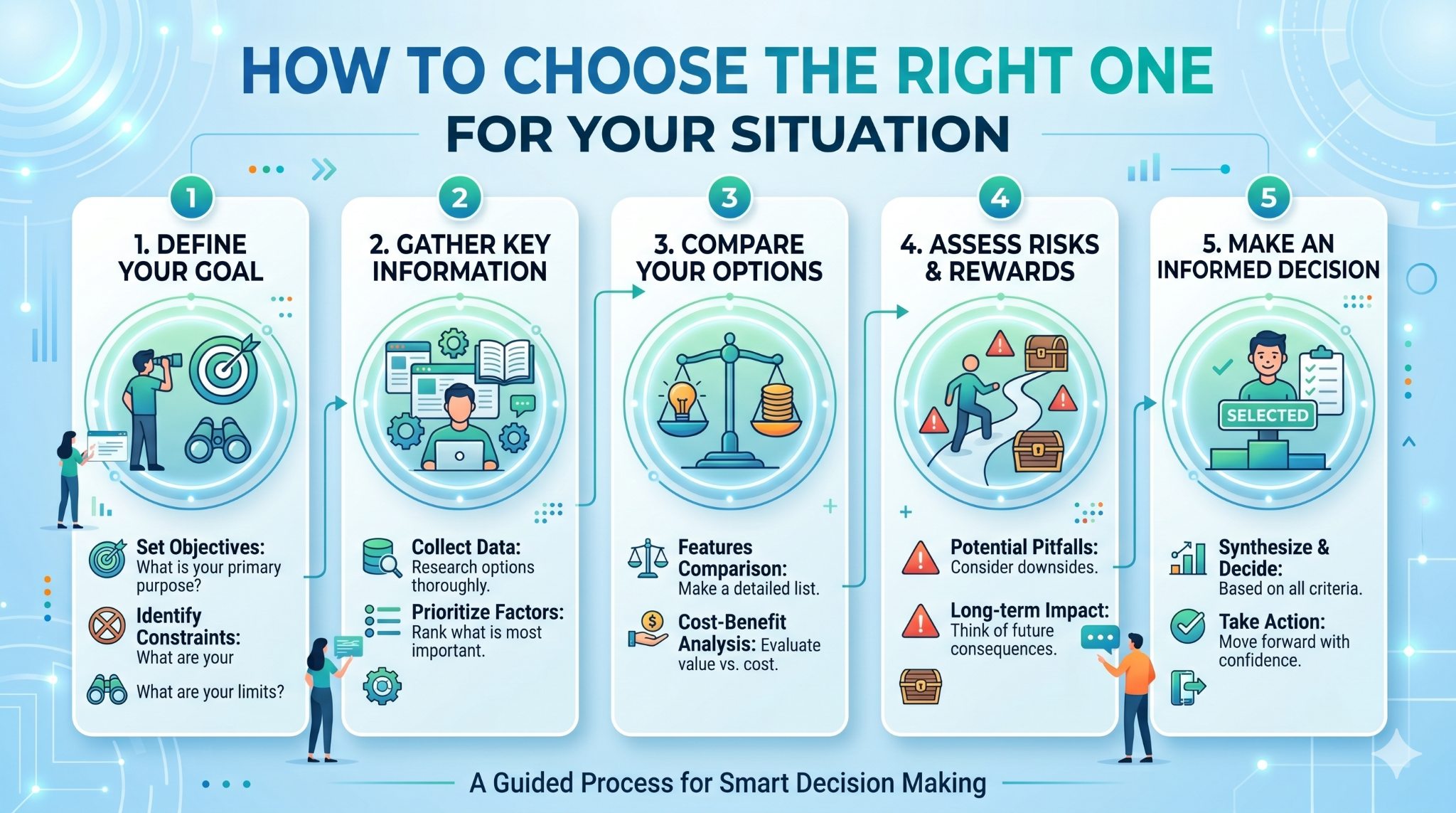
How to Choose the Right One for Your Situation
Ask yourself: How much volatility can I tolerate without panic-selling? If a 30% portfolio drop in 2008 or 2020 style would cause you to sell, add BND to your mix (20–30%) to cushion drawdowns. If you’re confident you can hold through market crashes, maximize VTI and VOO.
Do you need income now or in the next 10 years? Add SCHD and VNQ for higher dividend yield. Are you already heavily invested in US tech through work (RSUs, stock options)? Add VXUS and BND to diversify away from that concentration. Do you have over 20 years until retirement? QQQ’s higher returns justify its higher volatility at that time horizon.
What to Avoid in This Category
Avoid any ETF with an expense ratio above 0.50% that doesn’t have a demonstrably strong reason for the premium — most don’t. Avoid single-sector thematic ETFs (AI, blockchain, cannabis, clean energy) as primary holdings — themes come and go, and most thematic ETFs significantly lag the total market over 10-year windows. Avoid leveraged ETFs entirely for long-term holding — they experience “volatility decay” that destroys value even in sideways markets. The one thing people consistently overpay for: “actively managed” ETFs that claim to beat the market. Over 90% of actively managed funds underperform their benchmark index after fees over 15+ years, according to S&P’s SPIVA scorecard.
Frequently Asked Questions
Can I just buy one ETF and be done?
Yes — VTI or VOO alone is a complete investment strategy. Holding a single total market ETF gives you automatic diversification across thousands of companies and requires zero stock picking, zero rebalancing effort, and minimal monitoring. Many of the world’s most respected investors — including Warren Buffett in his own estate instructions — recommend exactly this approach.
What is the difference between ETFs and mutual funds?
ETFs trade on stock exchanges like individual stocks — you can buy and sell throughout the trading day. Mutual funds trade once per day at the day’s closing price. Both can track the same index (Vanguard’s VTI and VTSAX track the same index). ETFs typically have lower minimum investment requirements (one share price vs. often $1,000+ for mutual funds) and slightly better tax efficiency due to how redemptions work.
How much money do I need to start investing in ETFs?
With fractional shares, you can start with as little as $1 at Fidelity or Schwab. Realistically, most ETFs trade at $50–$500 per share, so $100–$500 is a comfortable starting amount for whole shares. The minimum that matters isn’t the entry price — it’s the habit of investing consistently each month, even small amounts.
Should I invest a lump sum or dollar-cost average into ETFs?
Research shows that investing a lump sum immediately outperforms dollar-cost averaging (spreading purchases over time) about 68% of the time, because markets historically go up more often than they go down. However, DCA (investing a fixed amount monthly) removes the psychological stress of “what if I invest at the top” — and for most regular investors, the behavioral benefit of DCA outweighs the modest statistical advantage of lump-sum investing. If you have a large amount, investing it over 6–12 months is a reasonable compromise.
Do I need to rebalance my ETF portfolio?
If you hold a simple two or three-fund portfolio, rebalancing once per year is sufficient. After strong equity years, your stock allocation will drift above your target — selling a small portion of stocks and adding to bonds or international brings you back to your intended risk level. Many target-date funds and robo-advisors do this automatically, which is one reason they’re appealing for hands-off investors.
Are ETFs safe to invest in long-term?
ETFs carrying broad market exposure (VTI, VOO, VXUS) carry market risk — they will drop in recessions and recoveries. Over long periods (15+ years), the S&P 500 has never produced a negative total return starting from any entry point in history. Individual stock risk is eliminated. The risks that remain are market risk (the whole economy struggles) and inflation risk. Both are manageable with diversification across asset classes and a long time horizon.
Start with VTI. Add VXUS. Hold both forever. Everything else on this list is a thoughtful enhancement once you have those foundations in place.