If you are starting from zero, the first credit card can either help you build credit or just become an expensive little lesson. That is why the secured vs. unsecured question matters more than the shiny card design or the “you’re pre-approved” email trying very hard to sound special.
For Americans ages 18 to 25, the choice usually comes down to this: do you need the easier approval of a secured card, or do you already have enough credit and income to qualify for an unsecured one? The answer is not complicated. The marketing around it is.
The thing nobody actually says out loud
A secured card is not a lesser card in the way people imagine. It is just a card with training wheels, and training wheels are useful when you are trying not to eat pavement on day one. The deposit exists to reduce the issuer’s risk, which is why secured cards are easier to get with thin or no credit.
An unsecured card skips the deposit, but that does not mean it is automatically better. It usually asks for more from you up front: credit history, income, and a profile that does not look like it was assembled five minutes ago.
If you have no credit or very little credit, start with secured. If you already have good credit and steady income, unsecured makes more sense.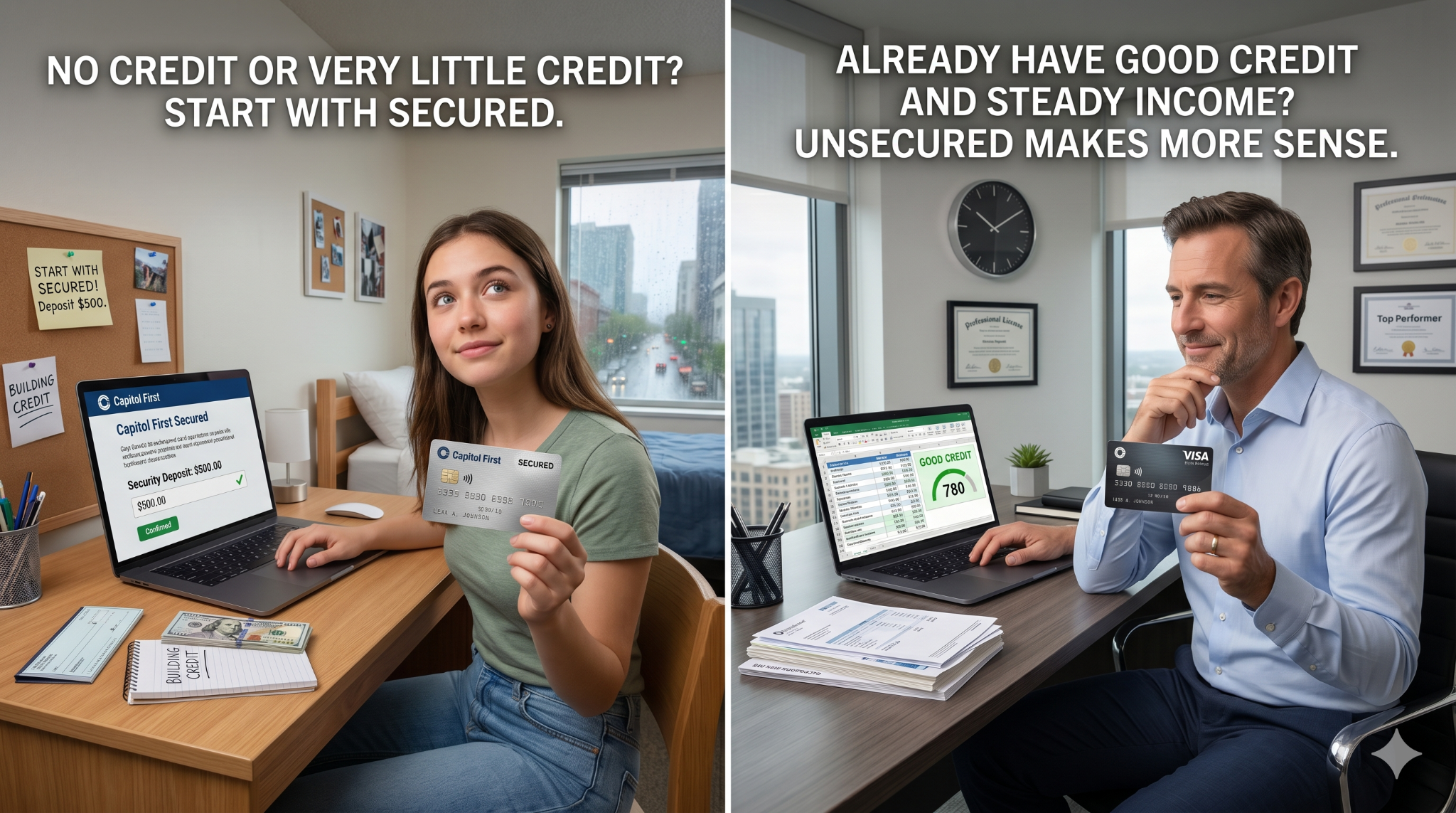
The part people hate hearing is that a secured card can be the smarter first card even though it feels less glamorous. You get a real credit line, the card usually reports to the bureaus, and you can build history without pretending you are ready for a premium rewards card that wants perfect behavior and a clean file. The credit world does love making beginners feel underdressed.
The goal is not to impress the card. The goal is to start a record that lenders can actually read.
How this actually works
A secured card works by tying your card to a refundable deposit. In many cases, your deposit becomes your credit limit or helps determine it, which lowers the issuer’s risk and raises your approval odds.
An unsecured card requires no deposit, but the issuer is taking a bigger bet on you. That is why these cards usually favor people with at least some credit history, reliable income, or a stronger score profile.
Both types can build credit if they report to the bureaus and you pay on time. That is the part too many beginners miss. The card type matters for approval and setup, but your payment habits are what actually shape the credit story.
Here is the practical difference that generic articles flatten too much:
- Secured cards are easier to qualify for. That makes them the safer first step if your file is thin or empty.
- Unsecured cards are better when you already have a decent profile. They usually come with more rewards and fewer deposit hassles.
- Secured cards can feel more limited at first. The credit limit often matches the deposit, so the card can feel small, which is annoying but also protective.
- Unsecured cards often have stronger perks. But perks are useless if you cannot qualify cleanly or if the card tempts you into spending too much.
- Secured cards can graduate later. Many issuers review the account and may upgrade you to unsecured after responsible use.
- Unsecured starter cards can be great, but not when they are really fee-heavy cards dressed up as opportunities. Those cards deserve suspicion, not applause.
A small but important detail: the card is only useful if it reports to the credit bureaus. A pretty card that does not report is basically a shopping prop.
Comparison
|
Option |
What it actually does |
Who it’s for |
The catch |
|---|---|---|---|
|
Secured credit card |
Uses your deposit as collateral and makes approval easier. |
Beginners, thin-file users, or people rebuilding. |
Your money is tied up until the card is closed or upgraded. |
|
Unsecured credit card |
Gives you a credit line without a deposit. |
People with decent credit history and income. |
Approval is harder, and bad starter offers can come with ugly fees. |
|
Secured card that upgrades later |
Starts as secured and may become unsecured after good use. |
People who want a cleaner path from beginner to normal card. |
You still have to use it responsibly for months before anything changes. |
My take: if you are truly starting from scratch, do not try to “skip ahead” just because unsecured sounds cooler. A secured card is usually the better first move because it is easier to get and still builds real credit. If you already have a decent score and stable income, then unsecured is the cleaner choice.
What actually happens when you try this
The first thing people notice is that secured cards are less dramatic than they expected. You put down a deposit, get approved more easily, and then realize the real work is just using the card lightly and paying it on time. That is not exciting. It is effective.
The thing that surprises most people is how quickly a secured card stops feeling “starter” once it reports well for a few months. The deposit becomes less important than the payment history you are building. That is the part that actually matters to the score, not the label on the card.
When you actually try this, the biggest mistake is using the card like it is free money because the limit is small. Small limits are there to keep beginners from going off a cliff. If you max it out every month, you are not “using credit well.” You are just creating a new problem in a smaller box.
What nobody warns you about here is that some unsecured starter cards are not really better. A bad unsecured offer can come with fees, weak rewards, and a tiny limit that makes the whole thing feel insulting. Sometimes the so-called upgrade is just worse packaging.
A pattern I keep seeing is that younger users care too much about rewards and not enough about access. A card that gives 1.5% cash back but rejects you is not helpful. A secured card that gets you approved and reporting is often the move that actually starts your financial life.
The advice everyone gives vs what actually works
“Always get unsecured if you can.” That sounds nice, but it ignores risk and timing. If you do not actually qualify for a good unsecured card, forcing it can lead to denial or a bad-fee starter card that helps less than you hoped.
“Secured cards are for people with bad credit.” That is lazy shorthand. Secured cards are also for people with no credit history at all, which is a much bigger group than people admit. A blank file is not the same thing as a broken one.
“Pick the card with the best rewards.” Rewards are nice, but only after the card fits your profile. The best first card is the one you can qualify for, keep open, and use without chaos. A great rewards structure on a card you cannot get is just a brochure.
“Unsecured cards always mean better credit lines.” Not always. Some unsecured beginner cards are stingy, fee-heavy, or not much better than a secured card in day-to-day use. Better to focus on the total value and the upgrade path, not just the word unsecured.
The practical part
If you have no credit history, start with a secured card unless you already know you qualify for a solid unsecured starter card. That is the safest default because it gives you a real shot at approval without needing a miracle.
If your score is already decent and you have steady income, look at unsecured starter cards first. You may not need the deposit, and you may get better rewards or cleaner terms. But only chase that if the card is truly a good fit, not just because the word unsecured sounds mature.
Read the fee table before you apply. Some beginner cards have annual fees or awkward terms that make them worse than they look. If the card needs a paragraph of excuses, that is usually the answer.
Use the card for one or two small purchases and pay it off on time. The point is to create positive history, not to prove that you can juggle a balance. You do not get extra credit for making the process harder.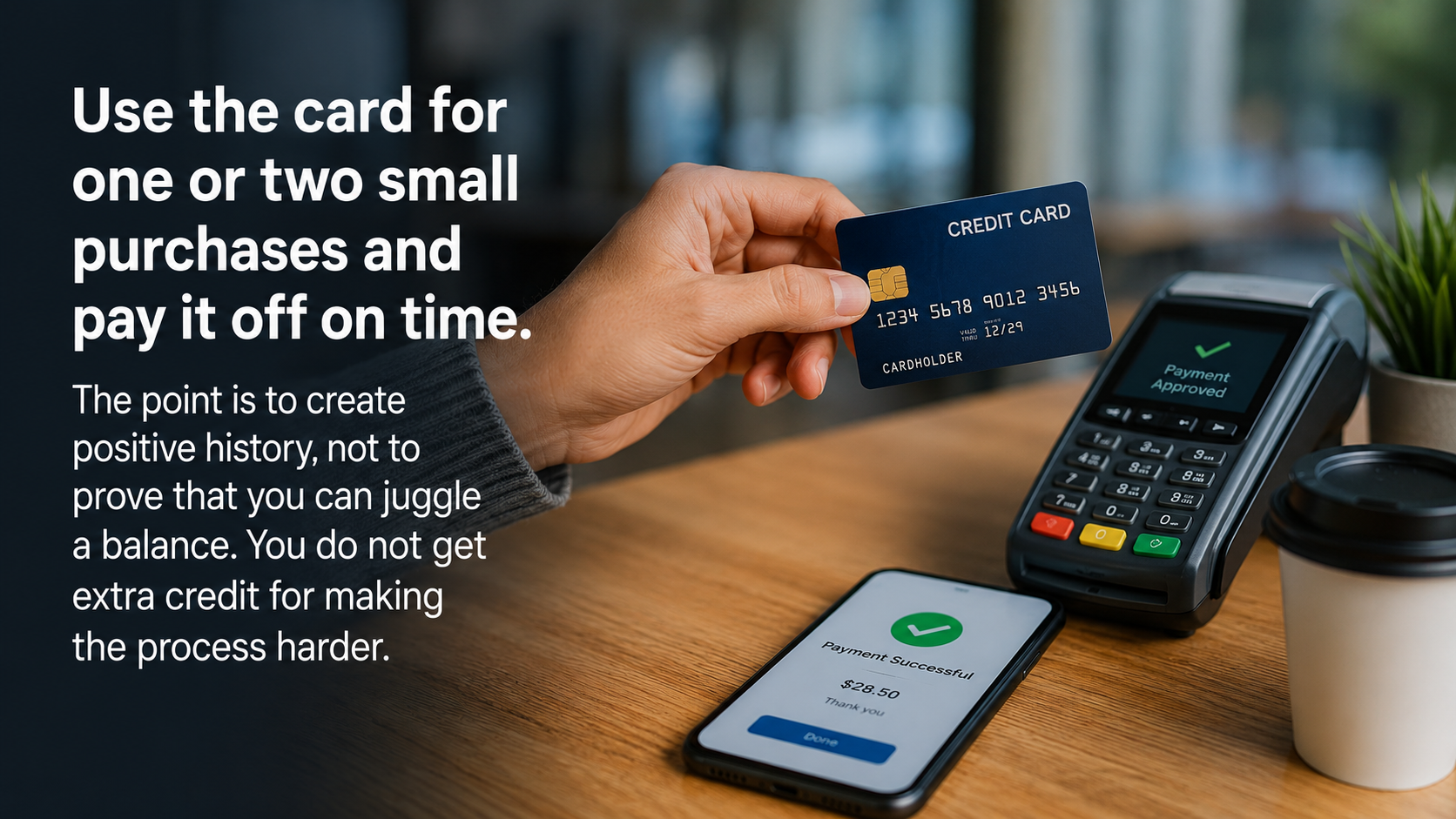
Keep the balance low. Small limits can be a feature, not a flaw, because they make it harder to overdo things while you are still learning. People call that restrictive. Banks call it risk control.
If you get a secured card, ask about upgrade paths. Some issuers review accounts and may move you to unsecured after responsible use, which is the cleanest way out of beginner mode. That is a much better outcome than opening a random second card too soon.
Also read:- Best Balance Transfer Credit Cards to Pay Off Debt Faster in 2026
Questions people actually ask
Is a secured credit card better than an unsecured one?
For first-timers, often yes. A secured card is usually easier to get and still helps you build credit the same basic way through on-time payments. An unsecured card is better only if you already qualify for a solid one without paying dumb fees.
Can a secured credit card build credit?
Yes. If the issuer reports to the bureaus and you pay on time, a secured card can build your credit just like an unsecured one. The main difference is the deposit, not the way the credit history gets built.
Do secured cards have lower credit limits?
Usually yes. The limit is often tied to your deposit, so the number is smaller at the start. That can be annoying, but it also keeps beginners from biting off more than they can manage.
Can I get an unsecured card with no credit history?
Sometimes, but it is less predictable. Some issuers offer unsecured starter cards, but many prefer applicants with at least some credit history or stronger income. If you are starting from zero, secured is usually the simpler path.
Do secured cards have higher fees?
They can, but not always. Some secured cards are very reasonable, while some unsecured beginner cards are the ones with the ugly fees. That is why looking at the actual terms matters more than the card category alone.
How long should I keep a secured credit card?
Usually long enough to build a real history and, if possible, graduate to unsecured. Many issuers review accounts after several months of good use, but the exact timing varies. The important part is not rushing to close it before it has done its job.
Should students get secured or unsecured cards?
It depends on the student’s credit profile and income. Some students can qualify for decent unsecured student cards, while others are better off with a secured card first. The best choice is the one that gets approved and helps build history without creating debt stress.
What is the safest first credit card?
Usually a secured card with simple terms and bureau reporting. It is the least dramatic path for beginners and the one most likely to get you approved when your profile is thin. Safe does not mean fancy. It means less likely to waste your time.
So where does this leave you
If this is your first card, secured is usually the smarter default. It gives you access, reporting, and a manageable limit without forcing you to have a strong credit file already. That is a pretty fair trade when your main goal is to start.
If you already have good credit and stable income, an unsecured card can be the better choice because you skip the deposit and may get better rewards. But that only matters if the card is actually good, not just unsecured in name.
One concrete thing to do today: check whether you have real credit history, then compare one secured option and one unsecured starter option side by side. If the unsecured card looks weak, stop pretending it is better just because it does not ask for a deposit.
Conclusion
You made it through the first-card argument, which is mostly just a battle between access and aesthetics. The clean answer is simple: if you are new, secured usually wins; if you already qualify, unsecured can be the better deal.
The line to remember is this: the best first card is the one that gets you building credit without making you regret the process. Fancy later. Functional first.